The Standing Man
Right talent doesn't survive a toxic workplace on its own. It survives only when top management decides to protect it.

Every workplace has one — the person who, despite all the odds stacked against him, holds his ground without hesitation or fear. He focuses on what ought to be done, not what is being done.
Most of us have crossed paths with such a person at some stage of our working life — as an engineer, a middle manager, or a General Manager. Against every odd, he takes the righteous stand and the correct action.
Here's a recent case from one of our projects.
We promoted a site engineer to lead a new work package at the same location, as site in-charge. Knowing the team and the ground reality well, he immediately began streamlining operations and taking corrective action.
That's when the resistance started.
The existing staff, comfortable in their old routines, were irritated. They formed a group with one goal — to push him out. Multiple complaints reached the head office. One formal email even demanded his replacement.
The client wasn't happy either. They were used to dealing with the Site manager of another package had been in their pocket — feeding them critical internal information, hiding our position in client meetings, even committing to required item quantities, potential suppliers, and installation timelines without head office consent, while our team was still negotiating supply terms with the customer.
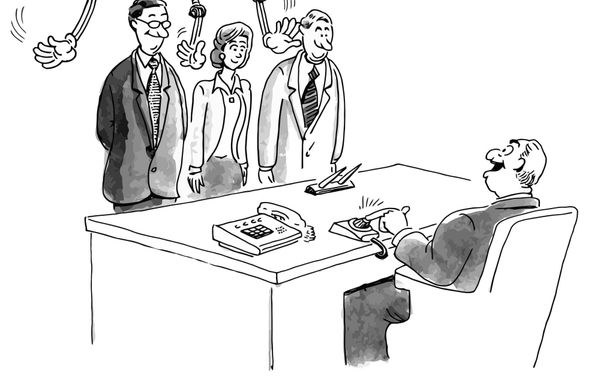
So our standing man faced pressure from both sides — his own team and the client. Every effort was made to demoralise him and force him off the site.
HR personnel, supervisors, even the foremen — people who should have been under his command — were not following his instructions properly.
And yet, his grip on the work never slipped. Project progress, releases, documentation — all single-mindedly under control.
What kept him going was the support from the top.
Senior management didn't stay silent. The compromised Site manager was removed the moment his package closed. Strict warnings went out to those not falling in line. Senior project management personally called the key site personnel and instructed them to work with the new Site Manager.
Initially, little changed. But within a couple of weeks, things started shifting. The Site manager began getting his work done. A few individuals remained difficult — and they will certainly not be carried into the next project.
The lesson is simple:
Right talent survives a toxic workplace only when top management commits to protecting it. Without that backing, even the strongest standing man gets bulldozed by his peers and team.