What Mumbai's Locals Taught Us, Delhi's About to Learn
A decade back Noida to Dhaula Kuan was a whole-day mission. Now it's 1.5 hours. RRTS is about to do the same thing to Meerut — except at train speed, not flyover speed. The interesting part isn't the commute time. It's what happens once people stop needing to live where they work.
Govt is rolling out multiple infra projects connecting Delhi NCR to tier-2/3 cities — and this is going to be a massive boon, bigger than most people realize.
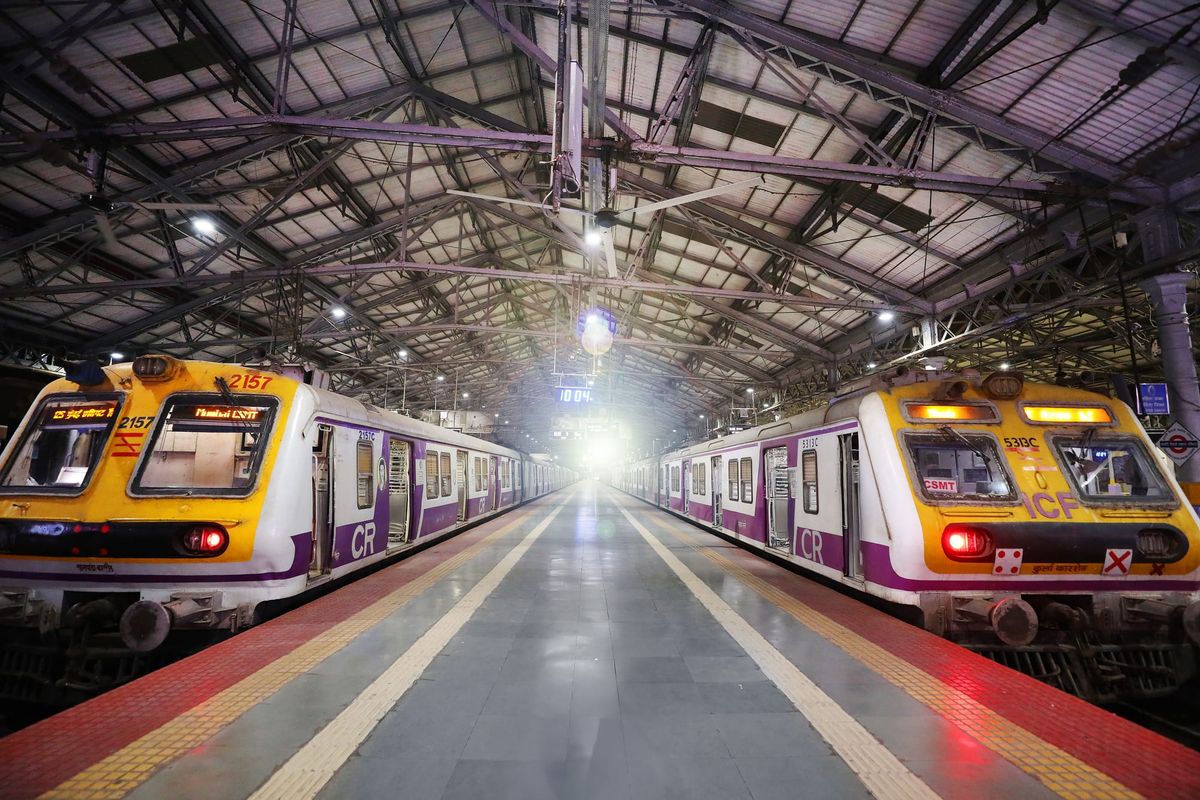
Think about Mumbai's local train model. People from Virar, Dombivli, Kalyan, Vashi travel daily for work, reaching the city within an hour. Train fare with passes is negligible, rental in far-off areas is cheap, and by road none of this would be practically possible — living in Mumbai itself is not affordable for most.
Delhi has actually lived a version of this story before. A decade back, within the delhi ncr region, going from noida to South Delhi — particularly Dhaula Kuan — was a big deal. Blueline along with DTC buses were also in operation then; sit in the morning, reach Dhaula Kuan by evening depending on traffic. Today, with multiple flyovers on the Ring Road, the same trip takes 1.5 hours. Infra changed the math entirely.
Now apply that to Meerut. It's under an hour away from NCR via train. By road it's already faster than before, but with the rail option (RRTS/Namo Bharat), traffic and blockages stop mattering altogether. Trains are less affected by surface incidents and predictable in schedule, increasing reliability for commuters. The same math now applies, just at a bigger scale.
With govt backing, the reliability factor is huge — even if there's a delay, reaching late won't create the kind of fuss it would with road travel.
This is the real unlock: people from tier-2/3 cities, far from job opportunities today, can access city jobs on a daily up-down basis without uprooting their families. Lower rental + cost of living = real monthly savings. And on the flip side, companies start considering setting up in the outskirts of metro regions — like we've already seen on the Noida-Greater Noida expressway corridor.
Connectivity like this doesn't just open up opportunity for tier-2/3 residents — it changes where economic activity itself can locate.
The catch: this only works if fares stay affordable. If train fare eats into the savings from cheaper tier-2/3 housing, the entire model collapses. Govt needs to keep prices reasonable and execute these projects on time — that's the difference between this becoming Mumbai's success story or another delayed promise.